People who work in housing are thinking holistically about affordability. It’s an ecosystem. And it’s about time.
By Scott Morgan, Managing Editor
April 16, 2026
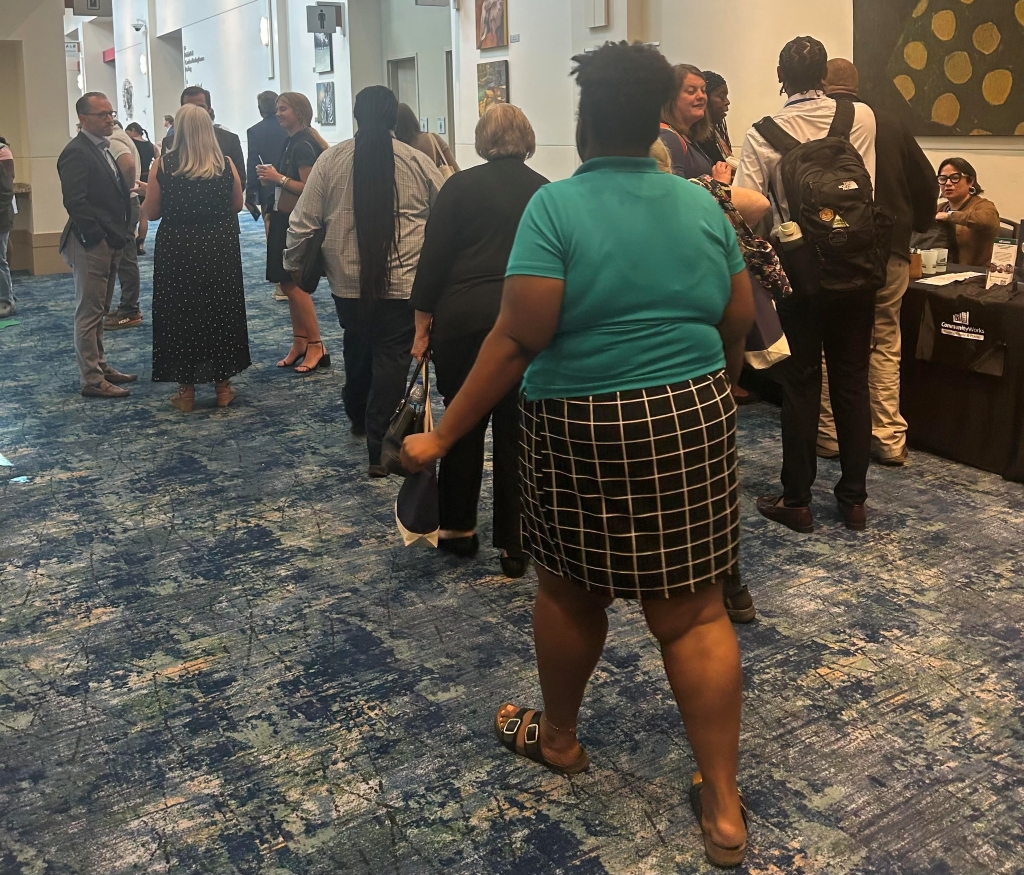
Photo by Jennifer McAdams
Full disclosure before we go any further. I have a close personal tie with one of the organizers of the Affordable Housing Coalition of South Carolina’s 2026 summit, and one of the board members of The Oasis, Lila Anna Sauls, was on a panel with me at this summit on April 15.
On Wednesday, I sat on the opening panel for the Affordable Housing Coalition of South Carolina’s first summit in eight years. The conversation opened with a nod to the gulf of time that had elapsed between the last summit and this one. So much has changed since 2018.
Housing funding is different. Housing conversations concentrate more on people than on markets. Definitions have evolved. Programs designed to bring people into housing stability have matured.
And yet some things haven’t much at all. In 2018, South Carolina led the nation in the sheer scale of evictions per capita, particularly in small and rural markets. That’s still true.
In 2018, South Carolina had some of the nation’s highest per-capita rates of debt. We still do.
In 2018, a core 14 counties in South Carolina, all of them rural, ranked among the worst in the United States for health outcomes. They still do.
In 2018, food insecurity in South Carolina was not among the states with the worst rates, but it was among the second-worst – a little more than 11% of households in the state were considered food insecure. In 2026, that rate sits above 13%.
And if you think that all that stuff isn’t connected to housing affordability, you’re as wrong as you’re ever going to be about anything.
Housing affordability is about a lot more than housing prices. It’s about all those things that keep people from getting anywhere good. Failing health, hunger, mounting debt, escalating insurance premiums, war-triggered inflations, rising prescription costs, ridiculous childcare costs … all that stuff is part of an ecosystem of affordability.
And that’s what’s changed so much, and for so much the better since 2018. That word – ecosystem – wasn’t used then. Conversations about housing affordability in 2018 largely focused on markets and costs.
But an eight-year hiatus from gathering so purposefully on the issue of housing affordability appears to have fermented a very heady brew. Because what came from that opening panel at the summit was a room of 500-plus people talking about the ecosystem.
The oversimplified way to say all of this is, if you try to solve a problem in isolation, you will lose every time.
And as Wednesday went on, that facet of the conversation orbited every workshop, every Q&A, and nearly every chitchat in the halls.
The scale of the work ahead is gigantic. It involves everything. That’s not hyperbole. It involves everything. But we in any corner of the housing space, whether as developers or service providers or public scribes, are finally reading from the right playbook.
In a conversation following the first day of the summit, someone told me it feels as if Americans are at an inflection point; somewhere that the pain point is finally becoming more acute and that action is possible.
I completely agree. Because we all know what the problem is. The problem is that all the problems interrelate. We all know what they are. In 2018, we defined them and then we just kept redefining them
In 2026, we’re tired of talking about the problem. In 2026, we’re talking about answers. Relationships. Ecosystems. In 2026, we know that nonprofit service providers and for-profit developers are not the opposite ends of a pointless fight. They are part of the ecosystem that, at long last, looks like it’s ready to get into the ring with the systems that prey on the disadvantaged (and then blame individuals for not being able to play the game well).
We’re talking about winning the game by wresting it through collective action. And it’s about [deleted] time.
Our work at The Oasis relies on your support. Please consider helping us continue to tell compassionate, nuanced stories and foster real journalism. Click HERE to show your support. thank you!
If you or someone you know needs to connect with support services in York or Lancaster County, please see our Resources page. We will be adding to the counties served as we grow.
Like what we do and want to keep apprised of our stories and updates? Scroll down and add your name yo our mailing list!


 the Oasis
Leave a comment