
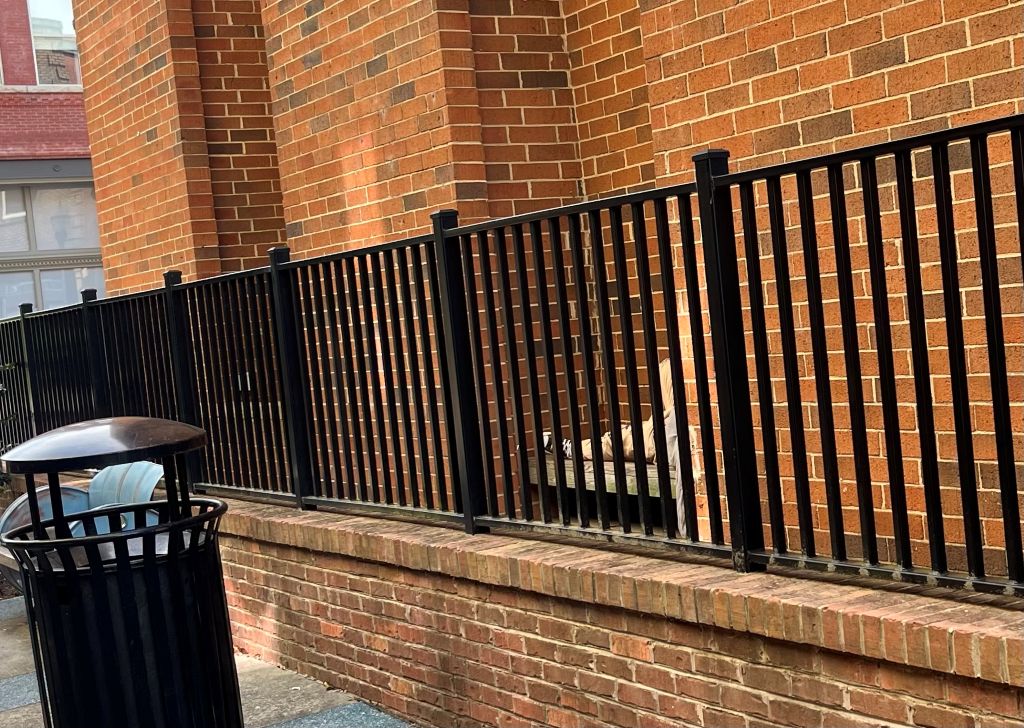
Rock Hill is really good at starting things and not maintaining them. It’s also gotten good at making sure you don’t see the inconvenient people who remind us what went away.
By Scott Morgan, Managing Editor
June 6, 2026
A few years ago, a guy talking to me about affordable housing in Rock Hill said this to me:
“You have to understand. This city is really good at hiding its poverty.”
The city can hide its poverty but not its disdain for the poor. It does not want affordable housing.
It’s delayed and deferred, deflected and denied projects that would be considered attainable for people making moderate incomes. Its officials have made it clear that affordable development is best left to Chester or Lancaster. That Rock Hill is not in the affordable housing business.
What city officials want is new money. New people who bring incomes. Not people who cost money and make their presence known downtown.
What? You’re going to bring up the city’s Rapid Rehousing program? You know why Rapid Rehousing and Rapid Reset, funded by opioid settlement money, have been so successful at getting and keeping people off the streets? It’s because of who’s in charge of it. The day the director of HDC finds another job, Rapid Rehousing will sere.
City officials, from the city manager down, love to take victory laps for programs they start but never maintain. Maintaining those programs falls on the shoulders of city workers who genuinely care and service providers who have no choice. The MyRide bus system is a quintessential example of a program started and then let go.
Rock Hill developed MyRide exactly at the time it leaned on code enforcement to compel the social services hub on East White Street to move away from the downtown.
MyRide was developed as those community services agencies were presented with a one-stop shop called Pathways on Cherry Road – conveniently away from the downtown streets, where homeless services and food pantries and substance treatment services could be consolidated on one campus.
The city’s always tried to take a victory lap over Pathways too. It helped find the location and put some money into it, yes, but the City of Rock Hill doesn’t run Pathways. It sure wants you to think it does, though.
At the same time as thedowntown services were getting moved away, other services, like Life House Women’s Shelter, were developed to be along the routes MyRide would take. When MyRide disappeared, it left these providers on a fringe.
And, for the record, not one city official in any position of authority stood up for MyRide. A few city workers did. All of the service providers did. But not anyone who could really do anything about it.
And now that Rock Hill has found a convenient way to let MyRide die, those services like Life House are scrambling to find ways to augment the transportation that vulnerable people need.
MyRide helped the poor and the Black, the unhoused and the hungry. It didn’t ferry college students and tourists around like everyone had hoped, and so the bus system served no purpose for a city eager to be a destination for people who drive Teslas instead of mopeds.
Once the busmaker went belly up, the city pawned public transit off on York County Access (YCA), which is not equipped to handle the volume. And city officials have left it to services agencies to figure out how to get people to the services provided.
Some have. Dorothy Day Soup Kitchen, for example, has set up a kind of fixed route along the Saluda Street corridor, to make sure YCA can get people at a regular time and get them to a hot meal.
But now that York County Access is the only public transit in town, Rock Hill has found another way to hide its poor, by not having places for them to congregate on roadsides waiting for reliable transit at bus stops.
The city is really good at hiding its poverty because the inconvenient people who live here show us a reality that city leaders don’t want us to see.
York County Transit is not the bad guy, I’ve said that before. It’s just unequipped to serve the needs MyRide could serve.
And the problems are already becoming evident, barely two weeks after MyRide ended. I spoke with Life House about a client who had just found a job and has already lost it because the YCA shuttle was late picking her up for work. Her employer had a 30-day zero-tolerance policy for lateness. And when she tried to explain to them what had happened, the employer told her that YCA was not reliable transit.
MyRide was presented as a noble aim. We all bought it, because we wanted to. But it was a promise based on bullshit that somehow still managed to do what the city said it had wanted to do, and then was killed by a combination of bad clauses and zero investment in alternatives.
The future will be devastating to the devastated. The fallout is already starting.






Leave a Reply